Skip to content
Underwriting

Lease Guarantee Bond vs Cash Deposit

A big cash security deposit locks up capital you could be using to run and grow your business. A lease guarantee bond is the alternative. Here is how it compares to a deposit, and what it costs.

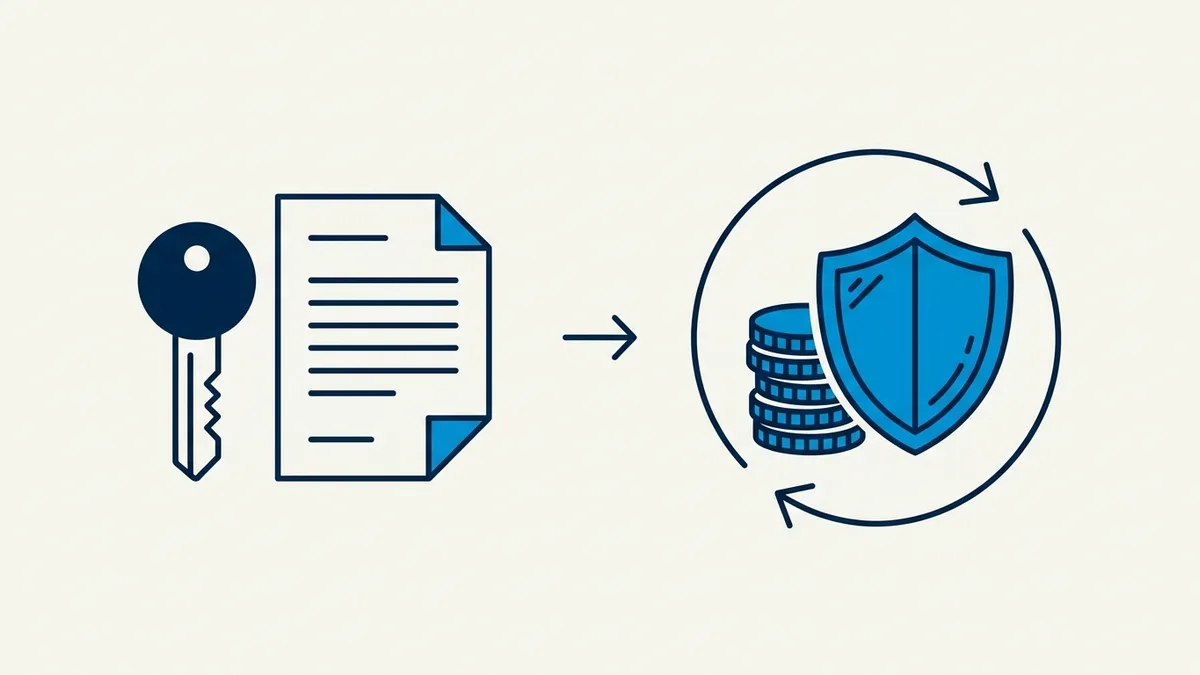
Illustration for the guide: Lease Guarantee Bond vs Cash Deposit

Lease guarantee bonds by the numbers

$8.6B
U.S. surety direct written premium
SFAA, 2022
$100
Common minimum-earned premium a surety keeps on a mid-term cancellation
BondExchange
30-40%
Typical down payment to finance a surety bond premium
SuretyBonds.com
100%
Qualifying single-year bond premium generally deductible as a business expense
IRS Pub. 535

Deposit vs bond, side by side

Both protect the landlord. The difference is what happens to your cash. A cash deposit sits with the landlord for the life of the lease, doing nothing for you. A lease guarantee bond gives the landlord the same recovery source, but you keep your capital and pay only a premium.

Cash depositLease guarantee bond
Your cost up frontThe full deposit (often months of rent)A premium, a percentage of the amount
Your working capitalTied up for the life of the leaseStays in the business
Landlord protectionDraws on the depositClaims on the bond
If you defaultDeposit is appliedSurety pays, you reimburse

Who it fits

Tenants signing a commercial lease who would rather not surrender a large deposit, growing businesses that want their capital working, and startups a landlord asks to secure the lease. It is a close cousin of the letter of credit, but without freezing a chunk of your bank line.

What it costs

You pay a premium, a percentage of the bonded amount, set by underwriting and driven mostly by your credit and financials, and a qualifying single-year premium is generally a deductible business expense. Confirm the amount and bond form your landlord wants, then get a quote and we will place it.

Questions

FAQs

Reviewed by Michael Melshenker, CEO. Updated June 2026.

What is a lease guarantee bond?
A commercial lease guarantee bond guarantees your obligations under a lease, chiefly the rent, up to a set amount. Instead of tying up months of cash in a security deposit, you post a bond. If you default, the landlord claims on it and you reimburse the surety.
How is it different from a cash deposit?
A cash deposit ties up your capital for the life of the lease. A bond gives the landlord the same recovery source while keeping your cash working in the business. You pay a premium instead of surrendering the full deposit.
How much does a lease guarantee bond cost?
You pay a premium that is a percentage of the bonded amount, set by underwriting and driven mostly by your credit and financials. It is usually far less than the cash a deposit would tie up.
Will my landlord accept a bond instead of a deposit?
Many will, since the bond gives them a guaranteed source to recover unpaid rent. Confirm the amount and bond form your landlord wants, and we will place it.