What a supply bond guarantees
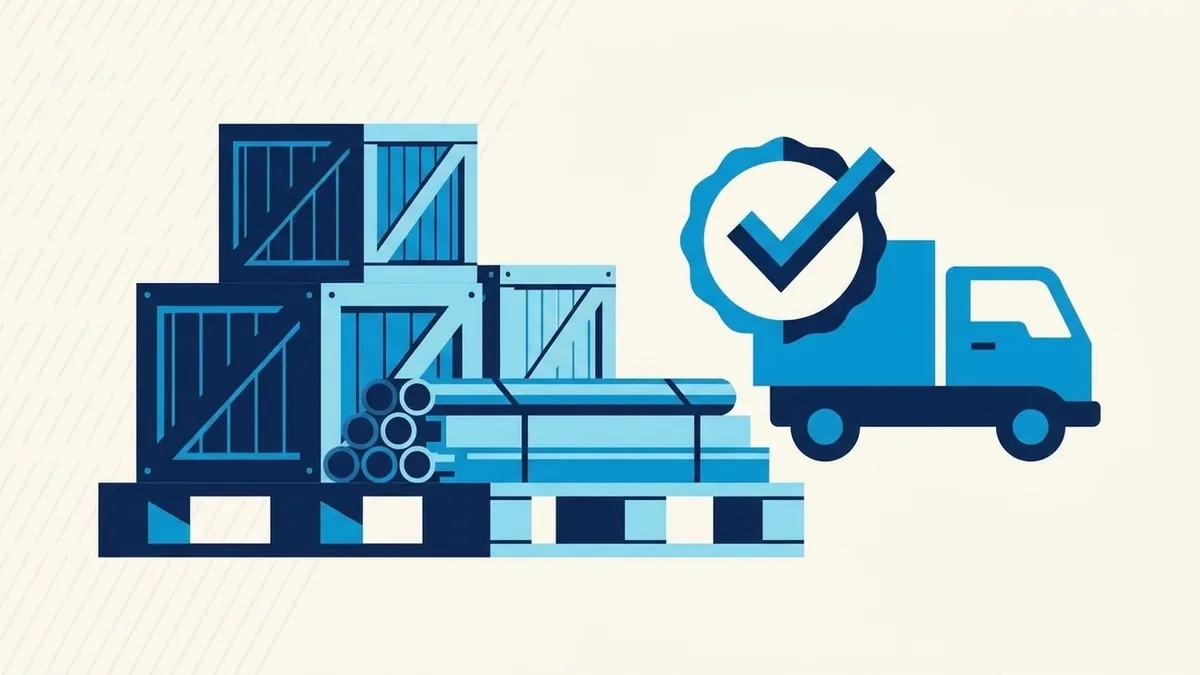
A supply bond sits on a purchase or supply contract rather than a construction contract. It guarantees the supplier will deliver what was agreed: the right materials, meeting the specification, at the contract price, by the contract date. If delivery fails, the buyer can claim on the bond to cover the cost of getting the material somewhere else, usually at short notice and a worse price.
That last part is the point. On a construction schedule, a supplier who does not deliver does not just cost the price difference: they stop the job. The bond exists because that consequence lands on the owner or the prime, not on the supplier.
Who gets asked for one
- Suppliers to public agencies. Agencies buying materials directly often bond the supply contract the same way they bond construction.
- Suppliers to prime contractors. A prime carrying a performance bond may push a matching obligation down to a supplier whose material is on the critical path.
- Manufacturers of specialized or long-lead items. Custom fabrication and equipment with long lead times are the classic case, because there is no quick substitute.
How it differs from the bonds around it
A performance bond guarantees work gets completed. A payment bond guarantees the people who supplied labor and materials get paid: it protects suppliers. A supply bond runs the other direction: it protects the buyer from the supplier. Those are three different obligations, and a project can carry all three at once.
What underwriting looks at
A supply bond is underwritten like any contract bond (financial statements, track record, available capacity) with a few emphases specific to supply:
- Lead times. The longer the gap between order and delivery, the more can go wrong, and the more the surety wants to see depth behind the commitment.
- Commodity price exposure. A fixed-price supply contract on a volatile material is a real risk: the supplier who cannot afford to deliver at the agreed price is the supplier who does not deliver.
- Your own sourcing. Whether you hold the material, manufacture it, or depend on someone upstream who could fail you.
- Concentration. One contract that dwarfs your normal order book draws more scrutiny than several routine ones.
The submission looks much like a contractor's: current financials, a schedule of open commitments, and the contract itself. The submission packet guide covers what to send and why each piece is there.
If the contract is large for your balance sheet
The same tools apply as anywhere else in contract surety. Building capacity ahead of the award beats scrambling at signing, and funds control can make a specific contract workable when the balance sheet alone will not carry it.
Send us the supply contract and your current financials and we will tell you what a surety will want. Or start a contract bond quote. Underwriting always applies and we never promise guaranteed approval.